
Rabindranath Tagore Medical College Hospital & Research Centre
Brings Hope back to be more lively and energetic.

Rabindranath Tagore Medical College Hospital & Research Centre
Brings Hope back to be more lively and energetic.
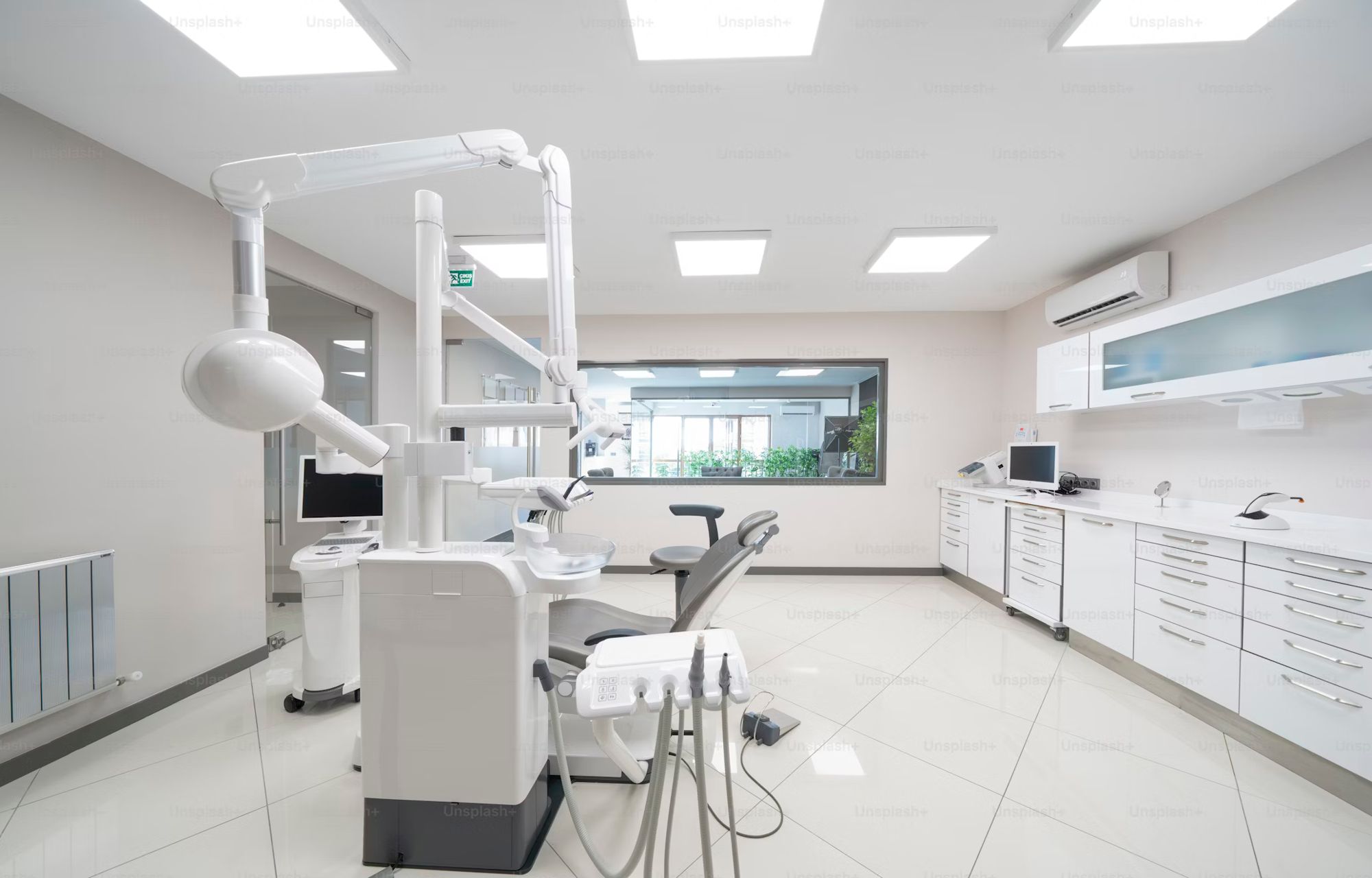
Rabindranath Tagore Medical College Hospital & Research Centre
Brings Hope back to be more lively and energetic.
Cost of Full Project
| Sr. No. | Description | ₹ (In Crores) |
|---|---|---|
| 1 | Land cost | 700 |
| 2 | Land Development Boundary Wall & Other works | 120 |
| 3 | Hospital Building storey Super Specialties Hospital | 300 |
| 4 | Medical College Building | 200 |
| 5 | Nursing College Building | 40 |
| 6 | Boys Hostel Building | 42 |
| 7 | Girls Hostel Building | 42 |
| 8 | Library Building | 22 |
| 9 | Resident Building for Senior Doctors | 40 |
| 10 | Doctor Colony | 60 |
| 11 | Staff Quarter for Class II+ Workers Colony for Class II | 76 |
| 12 | Staff Quarter for Class IV Employees | 86 |
| 13 | Auditorium Building with Projectors | 50 |
| 14 | Medical Equipments | 95 |
| 15 | Plant & Machineries | 400 |
| 16 | Furniture & Fixer | 280 |
| 17 | Transportations, Volvo Buses, Cars for Doctors and Ambulance | 22 |
| 18 | Contingency R&D | 55 |
| 19 | Pre Operative Expenses | 50 |
| 20 | Interest Taxes | 20 |
| 21 | Working Capital for 3 years | 300 |
| GRAND TOTAL:(Rupees Three Thousand Crore only) | 3000 |
CONCEPT OF THE PRROJECT
Promotion of health is basic to the national progress. Nothing could be of greater importance than the health of the people, in terms of resources for socioeconomic developments. The best resource that my country can be proud of is its manpower. The training of this manpower in fruitful way along with service of mankind, particularly the ailing humanity, is a very noble cause in which direction all out efforts should be made.
There is an explosion of knowledge in the field of medical science. This knowledge is of no use until and unless it reaches the poor and downtrodden of the society who live in rural area. Inspite of the realization that India lives in village, adequate efforts have not been done to provide modern medical care to rural folks.
Medical Institution are the necessities of any developing country. India is being one of them, since, these institution not only render the scientific health care to the society in a big way but also provide medical manpower to be utilized by the society.
Medical Institution have to keep pace with the time and those who are involved with the delivery of such services make all out-effort.
The Govt. of India is the signatory of the Alma declaration to achieve the objective of Health for all by the year 2000 A.D. The country at present has nearly 7000 Hospital with over 5,00,000 bed with a bed population ratio of 0.7 bed per 1000 population. This bed complement is inadequate and equitably distributed. National healthy policy (1983) has laid guide lines towards comprehensive and integrated approach to development and strengthening of national health care infrastructure. Primary health care has been adopted as the principal instrument off action.
In order to accomplish the above objective, therefore, it will be necessary to strengthen the exiting health care infrastructure and make it more efficient and responsive to the health needs and priorities off our country.
In providing the manpower. Another inadequacy observed is in the space planning. While conceiving the Institutions, only limited space is provided since the cost of construction is quite high. However, it is imperative to keep the scope for future expansion is a wide way as tremendous amount of inputs are require with the passage of time. If space planning hinders its way, the progress of the institution jeopardized.
The administration of a Medical Institution requires blending of technical a administrative competence in the right quality, at the right time, at the by the right men and in the right way to progress
Who document emphasize that the hospital, terort of a social and medical organization, the function of which is to provide, for the population, complete health care, both curative and preventive, and who out patient service reach out to the family in its home environment and is also a centre for health worker training and bio-social research. Hospital has new become indispensable to the proper care of the broad spectrum of health problem. If a hospital is to fulfill its aim in the modern world, it can no longer be regarded as an ivory tower.
Modern institutions are very expensive to build and to operate. There initial capital cost is high and their running cost, especially for inpatient services. Is enormous as authorities in many countries have experienced. At the time expenditure on those institution should be regarded as an investment that will pay economic dividends in the forms of lessened invalidity, reduced unemployment cause by sickness increased industrial production. A properly planned management profile in its actual perspective helps in may ways.
Dealing with the human files, which is done by the medical professional, should be regarded as the most secret tasks. No laps on any account can be allowed.
Documentation of the file of the patients is very important. Maintenance of records is mandatory. Medical professionals have very little time to document all the relevant details of their patients due to their extremely busy schedule. Therefore, help is require to be rendered for this work. This help if provided shall spare sufficient useful time of the medical professionals to be utilized more.
Any planning exercise must commence with evaluation of the regional health care need and priorities, socio economic and cultural background of the community, climate and logistics local architecture and life style and other geo-topographic and site consideration. This exercise must follow chronologically from objective formulation and program development, through functional planning, design development, equipment and manpower planning, to system development and implementation. This planning program, acquisition and installation of equipment and supplies, selection and recruitment of staff, and development and implementation of operating systems and procedures.
In this progress availability adequate technical information during planning and execution of hospital projects is fundamental to their successful completion and commissioning, inadequacy of technical information is perhaps the single most significant variable which influences time and cost over run in hospital project. Selection of appropriate technology for the defined objectives is also fundamental to successful implementation of hospital projects. Balancing of technology within and between department also assumes great significance for efficient and economical hospital dement and operation.
The following section describing five fundamental as planning namely
Section-1 Medical Program
Section-2 functional Program
Section-3 Area Requirement
Section 4 Work Flow
Section - 5 Manpower Requirement
Section-6 Instruments and Equipment Requirement
Section-7 Building Requirement
To get the best output from Teaching Medical Institutions it is very important to plan establish the various educational and training programs which help providing the low cost manpower require by such Institutions. More the manpower, the better is the outcome, so no compromise should be made gainful. Documentations and provision of steno typists can be off great advantage in such institutions.
The establishment and running of a medical Hospital on International Standard is by any means difficult take requiring tremendous efforts and expertise. Infusion of any amount of funds can go a waste until properly planned. Men behind the machines are always more important even in this computer era. Humble beginning and thoughtful improvement following scientific research is a way to reach the heights. The latest medical technology through the updated sophisticated medical equipments need of the day. Growth of any medical institution is imperative, however, it is blended with scientific study it will be of enormous value.
Major corporation like Tatas, Apollo Group, Fortis, Max, Piramal, Duncan, Ispat, Escorts have made significan investments in setting up state of the art private hospital in cities like Mumbai, New Delhi, Chennai and Hyderabad. The private health care segment has grown into a formidable industry estimated to be around Rs. 86,000/- Crores. Using the latest technical equipment and the services of highly skilled medical personnel these hospitals are in a position to provide a variety of general as wall as specialist services. These service are available a extremely competitive prices, encouraging patients not only from developing counties but even from a number of developed ones to come to India for specialize treatment.
In the union budget, budgetary outlay on healthcare has been increase by 18%. The budgeted central plan outlay for health and family welfare is at Rs 7,820 Crores for 2003-2004 which is awfully inadequate.
To improve India's health infrastructure to an adequate level and to meet the rising demand in future India will need to invest heavily in building healthy base of hospitals and medical personnel and make its facilities more cost effective meeting the expected demand.
Invest in Infrastructure
At present, lags behind other countries on the quality of health care it provides. For example India has only 1.5 beds per thousand people, while countries such as China, Brazil, Thailand and Korea have an average 4.3 beds per thousand people. Further registered physicians only 1.2 per thousand people (of which only 0.5 are registered allopath) in India, compare to 1.8 in middle and high income counties. This has resulted in the creation of large base of unqualified practitioners, who lack basic medical education and prescribe vastly different treatment regiments even for well understood disease.
Need of more Doctors-Need to train ripple the number of Doctors from Medical College in India
To meet the demand for a health care in 2012 and improve the availability of hospital bed and Doctor, the infrastructure will need to improve significantly around 750,000 additional beds will need to be added to the exiting base of 1.5 million to 2.25 million on 2012, of which 150,000 bed need to be territory beds.
The number of doctors and nurses enrolled in medical colleges and nursing schools will have to triple over the next 10 years. An additional $20,000 physician will be required over and above number that will be added through exiting medical colleges, to reach a ratio of 1 allopathic practitioners per thousand people even if the number of medical students were to double, 25% of non-allopathic practitioners will need to be involved in delivering care.
STATEMENT OF PURPOSE JUSTIFYING THE NET FOR ESTABLISHING A NEW MEDICAL COLLEGE
Quality health care is vitall fro the growth for any nation. India's health care sector has made mpressive strides in recent year. It has transformed to US$ 17 billion industries and is surging head with an annual growth rate of 13% a year. India spend Rs. 103,000 crore: 5.2% of its GDP- on health care. This is comparable with most other developing countries, which spend between 5% nd 7% of their GDP on health care.
Since health care is dependent on the people service, India's huge population of billion eople, represent a big opportunity. The middle income group in this vast base, is also is large 250 sillion. The proportion of households in the low income group has declined from 58.8% in 1990, o 49% in 1996, at the same time, the middle and higher income group has increase from 14% to 5% in the same period.
People are spending more on healthcare. Today, a middle level manager with a family of bur, spend between Rs. 8,000 and Rs.12,000 a year on healthcare compared to just Rs. 2000 in the ate 1980s. Most user of healthcare have been paying form their own pocket and preferring private ervices to Government one. Rises in literacy rate; the higher level of income; and an increased wareness through the deep penetration of media, has constituted to greater attention being paid to health.
There are various gaps in the Indian healthcare market, which also present a vat opportunity. Good healthcare in Indian is in extreme short supply and it is this gap that private medical college ospitals are looking to plug.
Over the last few decades, India's large public healthcare infrastructure and nationall disease control program has succeeded eradicating major disease such as small pox and are on the verge of radicating leprosy and polio. However we are yet to catch up with other develloping nations on key indicators such as life expectancy, morbidity and infant mortality, An assessment of the Indian health care sector reveals that it is performing poorly on the key dimension of coverage, purchasing and delivery.
Health care infrastructure in 2012 - need for private participation
The current health care infrastructure in India is pec. The over all number of beds, physicians and nurses is low compare to other developing counties and international averages. The ituation is worse the case of tertiary and specialist physicians. The quality of provision too is poor qualified practitioners and sub-optimal Sizing India has a very low density of doctors. The country has only 5 doctors fro every 10,000 people compare this with the US at 17 doctors per 10,000. there is huge shortage of hospital bends. According to world heath organization report Indian needs to add 80,000 hospital bends each year for the next 5 years to meet demands of its population. With the demand of healthcare for exceeding supply, India's healthcare industry is expected to grow by around 13% a year for the next 6 years.
INSTITUTIONAL GOALS
(1) In consonance with the national goals each medical institution should evolve institutional goals to define the kind of trained manpower (or professionals) they intend to introduce. The undergraduate students coming out of our medical institute would be:
(a) be competent in diagnosis and management of common health problem of the individual and the community, commensurate with his her position as a member of the health team at the primary, secondary tertiary levels, using his her clinical skills based on history, physical examination and relevant investigations;
(b) be component to practice preventive, promotive, curative and rehabilitative medicine in respect to the commonly encountered health problem;
(c) appreciate rationale for difference therapeutic modalities, be familiar with the administration of the "essential drugs" and their common side effects;
(d) be able to appreciate the socio psychological, cultural economic and environmental factors effecting health and develop humane attitude towards the patients in discharging responsibilities;
(e) possess the attitude for continued self learning and to seek further expertise or to pursue research in any chosen area of medicine;
(f) be familiar with the basic factor which are essential for the implementation of the national health programs including practical aspects of the following:-
i. family welfare and Maternal and child health (MCH)
ii. sanitation and water supply
iii. prevention and control of communicable and non-communicable diseases
iv. Immunization
v. health education
(g) Acquire basic management skill in the area off human resources, materials and resource management related health care delivery;
(h) De able to identify community health problems and learn to work to resolve these by designing, instituting corrective steps and evaluating outcome of such measure;
(i) Be able to work as a leading partner in health care terms and acquire proficiency in communication skills;
(j) Be competent to work in a variety of health settings;
(k) Have personal characteristics and attitudes required for professional life such as personal integrity, sense of responsibility and dependability and ability to relate to show for other individual;
MARKET SURVEY
Today accelerated growth of accidents & suffocation due to congested life of people all over India. Air water and noise pollution, adulteration and natural calamities are innumerable causes of physical and mental breakdown. Even medicines taken in the cause of sickness are causing new diseases to the people are their reaction of after effects.
A general man goes to the Govt. Hospital where qualified doctor and modern equipments are available for diagnostic & suitable medicines are available to cure the disease but the patients are mostly neglected due to irregularities in Govt. hospitals. Very few patients are able to take the advantage of free service of Govt. hospitals hence patients are forced to take treatment in private hospitals. All the private sector's hospital are providing their best service and facilities to its patients.
In private hospitals the patients are attended promptly and cured in time by the well qualified staff and doctors, hence more and more patients are inclined to seek the facilities of private hospitals. People go to these hospital with greater faith and returned satisfied.
The proposed hospitals will provide its all facilities at nominal charges & cater the need of such patients who are not able to take their treatment at Govt. hospitals & costly hospitals in private sector. Healthcare industry is also one of the largest employment generators. Its boom time in the healthcare industry in India, this sector is the one to watch out for
India had the doctors, nurses, pathologists- the usual staff profile so typical of any hospital set up. But scenario is vastly different now. Healthcare is where the section is-as in other service sectors, It's teeming with activity and the best part is the hustle & bustle is just the beginning.
In view of the above, the proposal medical hospitals are necessary of the time and place.
FACILITIES
⚫ GE Cath lab and Siemens cath lab
⚫ Five operation theatres with laminar flow and hepafilters.
⚫ Two modular operation theaters with hermetically scale doors with feather touch control. 12 bed CCU, 12 bed CTVS ICU 16 bed general ICU, 14 bed NICU.
⚫ 12 bed pediatric ICU.
⚫ Carlstrobes laproscope for orthopeadic surgeries.
⚫ GE CT Scan, Philips color Doppler.
⚫ MyDay. CHARISMAN Tagore Medical College Research Cart
⚫ Strikers drill and bits for neurosurgery and maxillofacial surgery. • Strikers drill and bits for orthopedic surgery.
⚫ 600 MEA digital X-Ray with PAC system (shimadzu).
⚫ Hitachi and Roche autoanalyzers for bio-chemistry and immunoassay • Coolter autoanalyzer for cell count.
⚫ Medisys ventilators in ICUs.
⚫ GE OT 120 lux, double doom with GE anesthesia stations.
⚫ Scholar bed side monitors.
⚫ 5 dialysis machine.
⚫ Piped oxygen suction nitrous oxide.
⚫ Cardiac Ambulance.
DEPARTMENTS
⚫ Institute of anesthesiology
⚫ critical care and pain management
⚫ Institute of anatomy an Human Biology
⚫ Institute of Ayurveda
⚫ Institute of Biochemistry
⚫ Institute of Bio Medical Engineering
⚫ Institute of Bio Statistics
⚫ Institute of Bio Technology
⚫ Institute of Cardiology and Cardio-Thoracic and Vascular Science
⚫ Institute of Community and Preventive Medicine
⚫ Institute of Dental education and Research
⚫ Institute of of Dermatology, Venerology and Leprosy
⚫ Institute of Emergency medicine
⚫ Institute of Endocrinology and Metabolism
⚫ Institute of Forensic Medicine and Toxicology
⚫ Institute of Gastroentrology and Human Nutrition
⚫ Institute of Gastrointestinal Surgery
⚫ Institute of General Surgery and Pediatric surgery
⚫ Institute of Geriatrics
⚫ Institute of Haematology
⚫ Institute of Hospital panning and Administration
⚫ Institute of Holistic Medicine of human nutrition
⚫ Institute of laboratories medicine
⚫ Institute of Medicine
⚫ Institute of Microbiology
⚫ Institute of Nephrology
⚫ Institute of neuroscience
⚫ Institute of Nuclear Medicines
⚫ Institute of Obstetrics and Gynaecology
⚫ Institute of Ophthalmology
⚫ Institute of orthopedics
⚫ Institute of Otorhinolaryngology
⚫ Institute of pediatrics
⚫ Institute of paediatric Surgery
⚫ Institute of Pathology and Blood Bank
⚫ Institute of Pharmacology
⚫ Institute of Physical Medicine and rehabilitation
⚫ Institute of Physiology Biophysics
⚫ Institute of psychiatry
⚫ Institute of Radio Diagnosis
⚫ Institute of Reproductive Biology
⚫ Institute of Radiotherapy
⚫ Institute of Transfusion Medicine
⚫ Institute of Tuberculosis and Respiratory Diseases
⚫ Institute of Urology
⚫ Nursing College
PROFILE OF THE SOCIETY
Nandakumarpur Jaykrishnapur Milan Sangha is a register society under society act registered in March 1975 with aim to serve the poor people and to look after the children of the area "Approaching Govt. Deptt. Society getting by way of donation from public as well as from the Govt. Deptt. This society establish a middle school and now it is a Higher Secondary institute. Our school is proving computer education. After this'society acquired a land of two acres and started of dispensary to fulfill the needs of the local people healthcare program. All the area people are agricultures. So they are also contributing some portion of their earning. These things are not sufficient so one person Lal Mohan Das joined the society sometimes ago. So he called all the members of the society and some local MLA shown his desiredwhy not our society establish medical hospital and college with aim to help the rest area of five districts of West Bengal 24 Parganas South, 24 Parganas North, Kolkata and Burdwan, Hoogly also. We start our activities in other area like Midnapur East & West, District even goes upto Balasore and Orissa too.
Our Hospital will be international standard super specialty Hospital. Having facilities all latest technique. We shall serve all type of people and all class of the society. To serve the all type people there will be general beds for low income and super specialties bed for rich & VIP type people. We provide them VIP treatment as well as high class like 3 star Hotel facilities etc. there is also very big employments are there. Thousands of people will get employments in our hospital. Where our area qualified people will job. As we think of about this program. There is not a easy matter want to get practical. A search for a man who guide us properly. We got contacted through Sri Lai Mohan Das a project consultant Mr. Bawa J.S. Amoal finance corporation & technology of New Delhi. Mr. Bawa assured us that he will arrange fund as well as prepare a project report to start over dream project to establish a Medical College & Hospital & Research Centre. After consulting with all members finally a name was proposed say as RABINDRANATH TAGORE MEDICAL COLLEGE HOSPITAL & RESEARCH CENTRE, So we run the hospital Now with said name & proposed. To start his type of institute the land is required so we arranged 70 Acre of land for this purpose at village Kumrapara, P.S.- Raidighi, Dist- South 24 Parganas and also at Kalikapur, P.S.- Purba Jadavpur, Kolkata-700099.
As per Medical Council of India a medical college be permitted to run it have at least 550 beds Hospital. We have proposed the Hospital with 1000 beds Hospital to serve more people. Also some mobile Hospitals shall be created to give for away people our services.
We have decided to start the Medical Project at Kalikapur, P.S. Purba Jadavpur, Kolkata- 700099 for the first phase. In the second phase we will start the Medical Project at village Kumrapara, P.S.-Raidighi, Dist.- South 24 Parganas. As soon as we will be provided our estimated project amount Rs.3000 Crores, we will waste no time to start immediately our dream Medical Project for the best service of the nation.
SPECIALITIES OF HOSPITAL
QUALITY CARE
At one-fourth the cost for the normal people.
KEY EXPERTISE
Cancer, surgery, bone narrow, transplant, bypass, angioplasty, micro neuro-surgery, parkison, paralysis, diabities, HIV/AID, TB, Gayno, child health etc.
KEY CLIENTELE
Apart from India, Nepal, Bangladesh, Srilanka, Mauritius. Also Africa, Mid-East, U.K. Europe & USA
FACILITIES
Apart from the state -an-art traditional / specialized medical facilities, Hospital will have Indian heritage medical/medicine facilities such as Ayurvedic, homeopathic, Unani, Yoga, Meditation, holistic, Herbal, Stem-cell etc.
MEDICLAIM FACILITIES
Hospital will have the arrangement for all the indoor patient MEDICLAIM facilities with the association of various Govt. & other agencies for best treatment.
CHARITABLE ACTIVITIES
Initially charitable facilities will be available to the 20% of people against the full capacity of the Hospital and then slowly-slowly this facilities will be extended up to 50% with in period of 10 years after developing the corpus fund of Rs. 2000.00 Crore.
PREAMBLE
Recent advancement of medical science and technology have radically changed the art and practice of contemporary medicine. Many new diagnostic and therapeutic modalities have been develop and perfected during the two decades. Although, most of this techniques are capital. intensive, these are highly efficient, safe and cost effective.
Improvement and National economy and literacy rate have change the gate and gatent of the use of health care service in the country. People are becoming aware of and are acquiring the ability to make a deliberate choice of the health service they, the demand for better quality Medicare is rapidly is rapidly indias f benefit in Govt. trade and industry and third party financing of Medicare through volume and social insurance are further increasing this growing demand.
India is a developing economy divers needs. On account of resource constraints and overriding priorities in other sector, public investment in health care has not kept pace with the increasing demand and the gap between need and availability of health care facilities is rapidly widening. This inadequacy is further compounded due to technical inefficiency inequitable distribution of the existing health infrastructure.
In order to facilities balanced development of health care facilities in the country. Voluntary and corporate investment in contemporary Medicare at secondary and territory level is being encouraged through a policy to complement the efforts of the Govt. and to maintain equilibrium between the three levels of health care.
The proposed
hospital will provide services to the Tertiary and Apical care level in Respiratory, critical care and sleep medicine. In additional the hospital will also provide support service for the above specialties. especially for the care of the critically ill like support of internal medicine. Neuro-surgery, Gastroenterology, Nephrology etc. Minimum bed will be Two Hundred and having all the required facilities for A Child care Maternity, aid control, TV. and other section for the general and specialia cancer, parkinso etc. The facilities proposed will be the best not only in the country we international standard.
OBJECTIVES
The hospital will have hierarchy of objectives; viz. service, training and research. The most important objective fro which the hospital will make all out effort will be to provide high quality service at an affordable cost not only for the affluent section of the society, but also to those who may not be economically well off. The out patient services will be provided on the concept of polyclinic referral clinic. The outpatient services will be provided not only in the morning hours but also though clinic in the afternoon and in evening.
It would be the endeavor of the hospital to treat patient through ambulatory care as far as possible. Those who need admission will first be fully investigate whatever possible through the diagnostic department. As far as diagnosis standard are concerned, the hospital will be a rich adjustment with all the required equipments like (1) X-ray unite, (2) Radiography machine, (3) Screening Machine, (4) E.C.G. unite, (5) X- viewer, (6) Blood pressure measuring instruments, (7) Stethoscope surgical instrument, (8) Wheeled chair stretchers, (9) Ambulance, (10)-Staff cars, (11) Various staff uniform including gloves (12)Masks and appearing (13)Oxygen cylinder blood bank (14)Gloves and water introducing equipment (15)Ultrasound and several other equipment instruments of use for diagnosis of the disease and its treatment relating to hears, lungs, kidney, ears, nose and similar other organs of the body. Brain and bones specialization. Cancer treatment and research will take special status in the R & D of the hospital and the allopathic line of treatment. Separate TB, Wing Homeopathy, Unani, Ayurvedic Yoga, and meditation treatment provision and beds facilities will be a special future of the hospital. Specialists will duty appointed in these fields of medicine and surgery. This will ensure maximizing the inpatient beds, provide quality care, and provide cost reduction and affordable services to the patients. The hospital will also take services to the community as Out research programs through camp approach, domiciliary care, home care program etc. So that there is no wall between the hospital and the community and the hospital truly become becomes an integral part of the community.
TRAINING
The component of training will be built in from the beginning itself so that only the staff having proper training will be permitted at the time of appointment and periodic training both in service and non-job while in hospital. The hospital will also have recognition of DNB course where by not only will a high level teaching be ensured but will also ensure superspatiality training and education for doctors. The hospital will also have formal tesching for the Nurse and the paramedical staff. The hospital will also have formal teaching for the wherever not only will a high level of teaching be ensure but will also ensure superspeciality training and education for Doctors. The hospital will also have International affiliations and exchange programs. This will ensure high standards of patient care.
PRINCIPLES
The principles, which have been kept in mind while making, the port are as under: The hospital will take into consideration the requirements of the patients and the community interalia the cultural environmental and social background of the community and the adjoining areas.
Taking into consideration the principle at sub Para above, it is however, desire that the hospital after commissioning must be able to break even income versus expenditure as early as possible. The design of the building will be prepared so as to fully satisfy the professional requirement of the medical staff, nursing staff, paramedical staff etc. and that the modern principle i.e. "design must follow function" is completely followed The design of the building will also take into consideration the requirement of the patients, relation and the other community member so that they they are satisfied and also their socio cultural background is provided. The building design will take into consideration maintenance and house keeping so that after commissioning, it is easy and economical to maintain . The aforesaid principles will be kept in mind while working out the human resource requirement, equipment requirement etc.
PLANNING PARAMETERS
In order to provide efficient hospital care and to achieve patients and community satisfaction, the hospital will have the following parameter of service.
GARBAGE DISPOSAL
The garbage arising out of the hospital will be segregated at the source itself in 4 difference coloured bags. These bag will stored in the corresponding colour coded garbage drums and disposed through incineration microwave and shredding. The syringes needless will be destroyed prior to disposal in the garbage.
NATIONAL HEALTH POLICY
The constitution of India envisages the establishment of a new social order based on equally freedom, justice on the dignity of the individual. It aims at the elimination pf poverty, ignorance and ill-health and direct the state to regard the raising of the level of nutrition and the standard of living of its people and the improvement of public health as among its primary duties, securing the health and strength of workers, men and women, specially ensuring that children are given opportunities and facilities to develop in a healthy manner.
Since the inception of the planning process in the country, the successive Five Year Plans have been providing the framework within which the states may develop their health services infrastructure, facilities for medical education, research etc. similar guidance has sought to be provided through the discussions and conclusions arrived at in the join Conference of the Central Council of Health and Family Welfare and the National Development Council. Beside, Central legislation has been enacted to regulate standards of medica. education, prevention of food adulteration, maintenance of standard in the manufacture and sale of certified drugs, etc.
While the broad approaches contained in the successive plan documents an discussion in the forums have generally served the needs of the situation in the past, it is felt that an integrated, comprehensive approach towards the future development of medical education, research and health services requires to be established to serve the actual health needs and priorities of the country. Still the hospital will have the special homeopathic, Unani, Ayurvedic, Yoga and Meditions to avoid maximum allopathic an surgery.
OUR HERITAGE
India has rich, centuries old heorigage of medical and health sciences. The philosophy of Ayurveda and the surgical skills enunciated by Charaka and Shusharuta bear testimony to our ancient tradition in the scientific health care of our people. The approach of our ancient medical system was of a holistic nature, which took into account all aspects of human health and disease. Over the centuries, with the intrusion of foreign influence and mingling cultures various system of medicine evoloved and have continued to be practiced widely. However the allopathic system of medicine has, in a relatively short period of time, has made a major impact on the entire approach. to the health services infrastructure in the country.
PROGRESS ACHIEVED
During the last three decades and more, since the attainment of independence, considerable progress has been achieved in the promotion of the health status of our people. Smallpox has been eliminated; plague is no longer a problem, mortality from cholera and related diseases has decreased and malaria brought under control to a considerable extent. The mortality rate per thousand of population has been reduces from 27.4 to 14.4 and the life expeciancy at birth has increased from 32.7 to 52. A fairly extensive network of dispensaries, hospitals and institution providing specialized curative care has developed and a large stock of medical and health personnel of various levels, has become a available. Significant indigenous capacity has been established for the production of drugs and pharmaceuticals vaccines, sera, hospital equipments etc.
NEED FOR EVOLVING A HEALTH OLICY-THE REVISED 20 POINT PROGRAMME
India is committed to attaining the goal of "Health for All by the year 2000 A.D." through the universal provision of comprehensive primary health care service. The attainment of this goal require a through overhaul of the existing approached to the education and training of medical and health personnel and the reorganization of the health services infrastructure. Furthermore, considering the large variety of inputs into health, it is necessary to secure the completed integration of all plans for health and human development with the overall national socio-economic development process, specially in the more closely health related sectors, eg. drugs and pharmaceuticals etc.
The thrust in the National health policy is on the following areas:
⚫ Population stabilization ⚫ Medical and health education ⚫ Need for providing primary health care with special emphasis on the preventive, promotive and rehabilitative aspects. ⚫ Nutrition ⚫ Water supply and sanitation ⚫ Environmental proton RK THAKUR&CIATES ⚫ Immunization programme ⚫ Maternal and Child health services ⚫ Medical Research
NATIONAL HEALTH PICTURE
In spite of such impressive progress, the demography and health picture of the country still constitutes a cause of serious and urgent concern. The high rate of population growth continues to have an adverse effect on the health of our people and the quality of their lives. The mortality rates. for woman and children are still distressingly high almost one-third of the total death occur among children bellow the age of 5 years; infant mortality is around 129 per thousand live births.
High incidence of diarrohea diseases and other preventive and infectious diseases, especially amongst infant and children, lack of safe drinking water and poor environmental sanitation, poverty and ignorance are among the major contributory causes of the high incidence of disease and mortality.
The existing situation has been largely engendered by the almost wholesale adoption of health manpower development policies and the establishment of curative centers based one the western models, which are inappropriate and irrelevant to the real needs of our people and the socio-economic conditions obtained in the country. The hospital-based disease and cure oriented approach towards the establishment of medical services has provided benefit to the upper crusts of society. Especially those residing in urban areas. The proliferation of this approach has been all the cost of providing comprehensive primary health.
Care services to the rural areas. furthermore, the continued high emphasis on the curative approach has led to the neglect of the preventive, primitive, public health and rehabilitative, aspects of the health care. The existing approach, instead of improving awareness and building up self-reliance, has tended to enhance dependency and weaken the communities capacity to cope with its problems. The prevailing policies in regard to the education and training of medical and health personnel providing care. The various health programmes have, by the large, failed to involve individuals and families in establishing a self-reliant community. Also, over the years, the planning process has become largely obvious of the fact that the4 ultimate goal of achieving a satisfactory health status for all our people cannot be secured without involving the community in the identification of their health needs and priorities as well as in the implementation and management of the various health and related programmes.
PRIORITIES IN HEALTH SECTOR
The government is actively promoting projects in the health sector for achieving significant reeducation in the levels of morbidity and mortality due to communicable and no communicable diseases. The diseases given special emphasis during the eight five-year plan (1992-97) were:
1. Malaria Eradication
2. Kala Azar and Japanese Encephalitis
3. Leprosy Eradication
4. Tuberculosis control
5. Blindness control programme
6. Guinea worm eradication
7. AIDS control programme
8. Diarrheal diseases
9. Cancer control
10. Control of iodine deficiency disorders
11. Diabetes control
12. Mental health services
Above all the existing facilities for critical care are totally lacking in the country. A large number of persons are dying because Critical care treatment could not be available to them. The facility for Pulmonary and sleep medicine is also relatively unknown in the country. The facilities are going to benefit a large number of patients suffering from these disorders.
Delhi and the aduoining areas have a heavy amount of atmospheric pollution because of which a large number of persons are suffering from Respiratory ailments. Facilities provided by the hospital will be a boon for these patients.FIVE-YEAR PLAN
Health of the people is not only a desirable goal but is also an essential investment in human resources. The National Health Policy (1983) reiterated India's commitment to attain "Health for All (HFA) by 2000 AD. Primary Health Care has been accepted as the main instrument for achieving this goal. Accordingly a vast network of institutions at primary, secondary and tertiary level have been established. Control of communicable diseases through national programme and development of trained health manpower have received special attention.
PROGRAMME THRUSTS IN THE PLAN
It is towards human development that health and population control are listed as two of the six priority objectives of this plan. Health facilities must reach the entire population by the end of the eight plan. The health for ALL (HFA) paradigm must take into account no vulnerable groups i.e. Within the HFA strategy Health for under privileged will be promoted. consciously and consistently. This can only be donce through emphasizing the community-based system, reflected in our planning of infrastructure, with about 30,000 population the basic unit for primary health care.
URBAN HEALTH SERVICES
More than one quarter of the population in the country now lives in urban areas. In metropolitan and large cities about 40-50% of the urban dwellers are estimated to be living in slum. areas where the health status of the people id as bad as if not worse than, in rural areas. But infrastructure for primary health care in urban areas hardly exists. serious attempts will be made to develop urban health services as per the recommendations of Krishan Committee. Organic linkages will be forged with urban development schemes including Urban Basic Services for a comprehensive development of health and welfare services. Local hospital will be made responsible to run these centers and treat them as their extension counters for providing health services to the community. Voluntary organizations and local bodies would be encouraged to develop partnership and ultimately taking full responsibility for carrying out these programmes. Health system research to develop a model of urban primary health care services will be undertaken. Recently the Government has decided to start the social security insurance scheme for non-organize sector and some of the state Government has also started child Medicare scheme up to primary standard.
SECONDARY AND TERTIARY CARE SERVICES
Along with the emphasis on consolidation of primary health care the strengthening of secondary care services and optimization of tertiary care services would be the key objectives of the Eight Plan. The sub-divisional and district hospitals which are the secondary level medical care institutions. Last adequate manpower and facilities, to be able to discharge then responsibilities satisfactorily. In view of the resource constraints, there is need for raising resources to maintain the quality of care and meet rising expectations of the people. It is time that the concept of free medical care is reviewed and people are required to pay, even if partially for the services. The system cab be so designed that the truly indigent population are able to get free/highly subsidized medical care. Innovative approaches/ practices to this end and a system of medical audit will be developed during the plan. Maximum cost-effective utilization of existing services will be another item on the agenda.
In accordance with the new policy of the Government to encourage private initiatives, private hospitals/clinics will be supported subject to maintenance of minimum standard and suitable returns for the tax incentives norms for minimal facilities and accreditation of private hospitals/ clinics would be developed to maintain quality of patient care The medical college hospitals and specialized hospitals have to be used exglively as tertiary care centers and for the health manpower development. Important and conscious decision has to be taken to enforce a balanced development of primary, secondary and ternary care services in the country with priority for the health care. Otherwise there is a districted.
The following functional areas and services have been identified:
➤ Entrance
➤ Ambulatory care
➤ Intermediate care
➤ Critical care
➤ Operation Theatres
➤ Casualty and Accident emergency care
Services
• Clinical
• Diagnostic
• Dietary
OTHER AREAS:
➤ Administrative wing
➤ Conference room with audio-visual aids
➤ Research and development area
➤ Central store
➤ Manifold room
➤ Medical Record Department (MRD)
➤ Hospital Library
➤ Telephone Exchange
➤ Air-conditioning plant
➤ Electric Substation
➤ Generator Room
➤ Water Tank
➤ Work Shop
➤ Bio-medical and computer engineering
➤ Publication, documentation and photographic centre
➤ Morturary
➤ Area for waste disposal
RESIDENTIAL AREAS:
➤ Directors Residence
➤Residence for nursing Supdt
➤Staff Quarters
➤Guest House
➤Recreation Centre
COMMUNITY CENTRE:
➤ Canteen cum fast food centre
➤Computer facility
➤Tele communication Centre
ENTRANCE AREA:
➤ Hospital will have four entrances for regulation of traffic to the hospital
➤OPD entrance
➤Entrance for Casualty and Accident Cases
➤Main Entrance/Visitors entrance
➤Service entrance
AMBULATORY CARE:
The ambulatory care services will comprise of the OPD patients. Boardly the services will comprise of the consultation chambers, the diagnostic services as well as the OPD patient support services. The ambulatory care diagnostic area will provide the services of Imaging. Laboratory, Respiratory Lab, Sleep lab and the non invasive Cardiac Lab. The support services will also provide facilities for minor surgery, injection, dressing, ECG, etc.
MOBILE HEALTH CLINIC:
The Mobile health Clinic will be develop to cover the rural and urban Masses belongs to the below poverty line.
INTERMEDIATE CARE AREA:
The intermediate care area will provide services based on the concept of progressive patient care. It will consist of General ward, Economy ware. Semi-private ward, Private ward, VIP suites and the Critical Care areas. The charges will be graded to suit the socio economic status of the patients.
The Category wise bed distribution of the hospital for 100 beds will be as under
Bed Distribution:
| Area | No. of beds |
|---|---|
| Critical Care Unit-I | 10 |
| Critical Care Unit-II | 10 |
| Private Suite | 2 |
| Private Suite | 24 |
| Private Single Rooms | 22 |
| Semi Private Twin Sharing beds | 20 |
| Economy Ward | 10 |
| Isolation Beds | 2 |
| TOTAL | 100 |
CRITICAL CARE UNIT UNITS:
THE Critical Care areas will provide facilities for treatment to the critically ill patients. Hospital will have 2 critical care areas namely critical care area-I and II. Facilities of the best of its kind will be made available for these patients. Critical care specialists will man the unit round the clock. High quality equipment will be made available so that patient could have the best chances of survival
OPERATION THEATRE COMPLEX:
Hospital will at performing surge in an environment whereby the incidence of infection during surgery is brought to minimum possible levels. The operation theatres will be planned to permit any kind of surgery
to be performed at the hospital. All the operation theatres of the hospital will be centralized and clubbed together under one complex. Operation theatre will be planned on the Zonal concept.
It will have the following zones:
➤Normal Zones
➤Protective Zones
➤Clean Zone
➤Aseptic Zone
➤Disposal Zone
➤The circulation of patients, staff
The circulation of patients, staff and supplies in the operation theatre will be properly canalized, The complex will have three main theatres and one for minor surgery infected surgery. Operation Theater will also have a
Theatre Sterile supply unit (ISSU) which will have facilities for emergency sterilization. The bulk of the sterile supply will be obtained from Central Sterile Supply Department (CSSD).
CASULTY AND ACCIDENT EMERGENCY DEPARTMENT:
All emergencies attending the hospital will report to the casualty department. The department will have 3 examination beds and 4 observation beds. The department will share the diagnostic facilities in common with the
OPD and will work round the clock.
CLINICAL SERVICES:
Hospital will provide clinical services to the tertiary care level in Respiratory Medicine, Critical Care and sleep medicine. In addition the centre will also provide services for the above specialties in the other
specialties and super-specialties. The consultants will possess a minimum qualification MD, MS, DM, Mch or DNB in the respective specialties. The senior Resident medical Officers will possess Post Graduate degree/diploma.
The Resident medical Officers will have a minimum of MBBS qualification.
DIAGNOSTIC SERVICES:
The hospital will emphasize on diagnostic services. The mainstay of the diagnostic services will be the imaging, laboratory services and the Non invasive Cardiac Lab
IMAGING SCIENCES AND NUCEAR MEDICINE:
The imaging services will provide facilities for CT scan, Digital and conversional X-Ray, Ultrasound, and Doppler studies.
CARDIAC LAB:
The Cardiac lab will have ECG recording, 24 hours halter recording and analysis, stress testing and echo cardiography.
LABORTORY:
The laboratory will provide facility for
Hematology
Biochemistry
Microbiology
Histopathology
Serology
SLEEP LAB:
The hospital will have a 6 bedded sleep lab. The lab will be equipped with central monitoring
DIETARY SERVICE:
Dietary services of hospital are an important therapeutic tool. Properly rendered, it is a clinical and administrative means for rapid recovery of patients.
Hospital will have an in house kitchen. The hospital kitchen will be responsible for supply of diet to the patients, both normal and therapeutic. The kitchen will aim to provide
a well cooked and a nutritious diet to the patient. Food will be cooked in a hygienic environment. Hospital kitchen will be monitored by the Dietician of the hospital, Diet will be provided to all the patients
of the hospital.
CENTRAL STORE:
Dietary services of hospital are an important therapeutic tool. Properly rendered, it is a clinical and administrative means for rapid recovery of patients.
Hospital will have a central store providing all the hospital supply. The central store will have the subsections of Medical and gasses store. Nor medical store and store for waste items for sale through auction like
IV bolus, used fixer and developer solutions etc.
CENTRAL STERILE SUPPLY DEPARTMENT (CSSD):
Sterilization of equipment is one of the most essential requirements of the hospital, hence will be given the utmost consideration in planning. The department will be centralized because centralization will increases
efficiency, improve economy and ensure better supervision and control.
The CSSD department will be responsible for the completer sterile supply requirements of the hospital including the operation theatre. The department will provide provision for high pressure steam sterilization as well as
dry heat sterilization.
The CSSD department will also undertake the packing of common sets like the syringes and needles dressing sets etc.
PHARMACY:
It is proposed to have a Pharmacy and a medical store. The pharmacy will be givepon contract and will supply only the out patients of the hospital. It will be planned in the city centre of the hospital and will be open round the clock. The medical store will be of the hospital and will supply medicines to the impatiens. The medical store will also be open round the cloak.
MORTUARY:
This will provide facility for proper storage of the dead bodies. The bodies will be stored in a refrigerated mortuary cabinet, hospital will not have facility for autopsy.
The mortuary will be so located so that the dead bodies can be transported un-noticed by the general public and patients. Relatives and mourners will have a direct access to the mortuary. The mortuary will have
place for performing last rites.
MANIFOLD ROOM:
Hospital will have a central supply for central oxygen, central nitrous oxide, central succession and centralized compressed air for the vital areas of the hospital as well as the areas where heavy consumption is expected. Nitrous oxide and compressed air will be required only in the operation theatre. Theses facilities will be provided from the manifold room.
MEDICAL RECORD DEPARTMENT (MRD):
Hospital will provide up-date facilities for systematic maintenance of records. The record keeping will be fully computerized to start with. The record department will provide ready statistic on the hospital patients for administrative review as well as for clinical meetings and conferences.
TELEPHONE EXCHANGE:
Hospital will have a central EPABX system with adequate capacity. 10 external lines and 100 netmail lines will be installed in the initial stage. The system insulled will be expandable to suit the later requirements of the hospital.
AIR-CONDITIONING:
Most of the areas of the hospital will be central air-conditioning, the operation theatre will have installation of HEPA filters or Electronic Filters, suitable for filtering the microorganisms in addition to the dust and particulate matter. The intensive care areas will have the installation of micro filters.
MARKETING STRATEGY:
Marketing strategy will play an important role in ensuring success of this Project. There will be a number of obstacles in the way of achieving full utilization of this hospital. There is no doubt that a well equipped super-specialty hospital of the kind we are planning will be fully utilized in the course of time but the hospital has to achieve financial viability within a short periods. It would, therefore, be necessary to ensure maximum utilization right from the first year. Accordingly a great deal of pre-launch marketing will need to be carried out in order to ensure that the public and the medical profession in the area are fully aware of the sophisticate nature of facilities available schemes will need to be introduced in order to ensure that more and more persons find it convenient to use the hospital.
PRE-LAUNCH:
The main objective would be to create awareness for quality health care among various groups of potential users. A network of information and association for hospitals and doctors in and around the area will need to be built up. Various tie-ups will need to be established with Government and private hospitals and public and private sector industries. The general public could be informed about the super specialties available and then interest could be awakened by introducing various schemes like the hospital. Insurance scheme chambers of commerce and management Associations could be used to organize insurance tie-ups
LAUNCH:
This is a crucial exercise and involves a series of activities which will ensure that the target market in encouraged to use the services of the hospital. The activities with start from the day of Commissioning itself.
The hospital will be started after a formal inauguration has been done. A high dignitary will be invited for the function as Chief Guest and to cut the ribbon. An all out effort will be made to invite the Press and
Doordarshan to cover the function.
The hospital will be started with a professional camp for which a doctor of highest repute plndian or international will be invited to see/operate case of that specialty.
Both the above activities and the activity of commissioning of the hospital will be advertised in the lay press well as in the professional journals and magazines.
The hospital will be fully displayed for the doctors and public to see so that opportunity is given to understand the services before the hospital actually starts. Visitors to the hospital will be given as brochure of the
services, charges and the doctors to enable them to make sure of the service whenever requited. Arrangement will be made to take each of the visitors around the hospital to ensure full acquaintance with the service day ones.
Visitors on the day ones commissioning will be offered Tea/Cold-drinks and snacks. A small memento key chain / ball pen with the hospital name engraved on it will also distributed to each of the visitors as a reminder of the hospital.
Direction board of the hospital will be out up over a radius of 10 Kms. For the hospital to ensure that no one has to ask the way to the hospital.
An effort will be made empanel doctors of repute from day one itself so that patients are encouraged from day one to avail the services of the hospital rather than to have a wait and watch approach.
POST LAUNCH:
The mainstay of activities in the post launch period will be to provide the best possible service at the most competitive rates. It will be ensure that a patient leaving the hospital will be fully satisfied at the costs
so that he is encouraged to refer others cases to the hospital.
The staff of the hospital shall be well trained so that patients have no difficulties and are guided properly. Their requirement are met properly an quality services provided methodically.
The staff shall be courteous, disciplines and polite to the patients. Special emphasis will be given to the nursing care. The hospital will emphasize on quality to nursing services. A patients questionnaire performa
will be provided to each of the patients which he / she will deposits at the time of discharge. The questionnaire will be short, easy to understand will cover broadly the services provide in the hospital.
Hospital will maintain a steady stream of activities like professional camps, clinicals, meetings, workshop etc. through this activities an attempt will be made to familiarized to the hospital wiht the target population and with the
doctor practicing in the area.
The marketing activities will be supported by advertising. The use of the mass media would certainly play a mjor ric in reducing the tiem neccessary to established full utilisation of the hospital facilities.
Tie up with verious corporate organisations will be made for health check and treatment of thier employees.
ASSUMPTIONS:
Calculation are made on the following assumptions:
The hospital will be commissioned as fast and possible subject to the available for fund. Hospital will work at 50% capacity in the fast year of operation, (ie. after moratorium period) 60% accompany in the second year.
70% accompany in the third year and will finally stablise at 80% in fourth yaer of operation.
Specialist doctors and Resident doctor will be on salary / contract basic and the income generated through profesional charges will be debited to the hospital account
Depreciation has been calculeted on stranght line....
ALTERNATIVE TRADITIONAL INDIAN MEDICAL FECILITIES:
Background:
"Indians find success in alternative medicine" yoga, ayurveda, homeopathy naturopathy have not only taken the western world by storm, feeding a multibillion doller industry in traditional medicine but has taken many
a Indian back to his roots encouraging him to make a carrier in alternative therapies the rage of nature cure has given a fillip to one of India's older profession - the traditional doctor and the modern day student has
a range of alternative therapies to choose from. More and more people are opting for alternative medicines and it is a good news for practitioners and aspirers in the field. Edith the Govt. aiming to provide health for
all by the year 2020. They need all the support of the traditional healers which comprises as least one million homeopath practitioners and 0.3 million ayurvedic,doctors besides healers of other branches'
The world Health Organization has encouraged programs in herbal medicine especially in developing countries as means of providing affordable primary health care. Generally speaking. herbs are characterized by their
low toxicity and lack of accumulation in the body, habituation in the body, habituation or withdrawal symptoms. When appropriately selected, botanicals offer a powerful owt safe and effective approach to healing with
few side effects. "Putting Old Wisdom into New Pills" With the Central Government deciding to give alternatinve systems of medicine a push the phytomedicine market, which is a trend fast gaining ground both in India and
the global market, has received a fillip.
Phytomecines are medicines based on plant sources but standardized using modern techniques of evaluation and therefore considered to be at par with new chemical entities (NCE) based on therapeutic leads from ayurveda
phytomedicines require much shorter time to marked and a fraction of the cost as compared to its clinical counterpart.
Through Indian has been the foreucer in plant-based medicines, the continued emergence of valuable therapedic against from plants has had Europe, Africa and Asia, Particularly China and Japan, contributing to the field
of herbal medicines in a big way.
According to industry estimates, phytopharmdicals, which are plant and herbal extracts used for medicinal purposes, have a global marked of around $9.5 billion. This is projected to reach $12 billion by the end of this year.
Sources point out of that the herbal medicine industry is worth $200 million in the country Production of herbal drugs
valued at $57 million per annum.
Phytopharmaceuticals in the world market can be attributed to the general trend in the West towards increased self-medication concern about side effects associated with synthetic medicines and increased awareness of
phyto pharmaceuticals as effective alternative medicines for chronic but mild symptoms. Internationally, emphasis was being placed on the odentuncation of active constituents of phytopharmacettical extracts and
establishing their safety and efficacy through controlled clinical trials. The phytomedicine initiative is expected to bring out the old wisdom in modern from with controlled clinical trials. That by opting to go
through the ethical route as opposed to getting Ayurvedic products classified as food products for sale in the US an extensive testing system is available with proven safety and effectiveness with modern standards.
This in turn enables the neutral products to carry as much of quality assurance as do modern chemicals based medicines.
Many Indian doctors too have been taking a second look at their role as healers and are questioning the efficacy of modern drugs and delving in to discarded traditional therapies for solutions. there is a new emphasis
on trying to understand the equilibrium of the whole body instead of relying on fragmented diagnoses.
Sources point out that the US too has made similar attempts to integrate alternative treatments with modern medical practice. From 1992 to 1994 the National Institute of health in the US spent $ 13 million investigating
the merits of treatments trough Homeopathy, herbal medicines, acupuncture and relaxation, Moreover during August 1998 to July 1999 the top selling herbal supplements in US were garlic saw palmetto bilberry, grape seed
extracts and ginger root.
Not to be outdone by the multinational pharmaceutical against in exploiting the medicinal value of indigenous plants and herbs, Indian entrepreneurs are eager to manufacture and market pharmaceutical preparations based
on natural products. These are sold across the counter as health products, tonies, stress and even for the treatment of serious aliments like hepatitis, diabetes, rheumatism, asthama and so on Industry sources insist
that most times, it is not known whether these formulations have been subjected to extensive and intensive medical trials, through accepted protocols, for their efficacy and absence to considerable side efficacy and
whether they have been approved by FDA.
Currently, phytpharmaceutical products are available is many market as food additives and not as drugs with medical claims. That with better documentation for their clinical efficacy over the next decade these products
could increasingly be accepted as OTC drugs rather than food supplements Approximately 2,65,000 plant species have been indentified throughout the world and these can probably furnish as many as 5,000,000 compounds for
screening. However, less than 0.5% of these species have been systematically studied for their chemical components or medicinal values. A number of plant-derived single component drugs are in early stages of development.
Betulinic acid. and Flavopiridol for cancer and Galanthamine for Alzheimer's disease are among the many compounds under intensive research. Other compounds like a recitation for AID's Crypolepine for malaria, sereilec
acid as an anti fungi are at a preliminary stage of developed technology to transfer
NDA sequences into plants to be used as production sources for pharmaceutical proteins and vaccines, Research efforts have also been directed towards discovery of marine based compounds. There are a number of systems
of medicines, which are generally classified as alternative systems which fit to the above descriptions. Brief details of some of them are given below.
Aurveda:
Ayurveda is an ancient system of disease prevention, health care and healing that originated in India thousands of year ago. Ayurveda is made up of two sankrit words. Ayu which means life and Veda which means the knowledge
in Ayurveda The diagnosis of disease and individual constitutions is done by balancing the different energies in the body. These energies are called doshas or body humors. The specific names for than are(TRIDOSHA)vala.
Pittay and kapha. The literal meaning of dosha is 'fault' because these three humors are the three ways in which the body tends to move out of balance. The Dosha are the three main combinations of the five elements(other,
air,fire, water, and earth). When any of these elements are examples of the presence of these elements. These five elements in the body can balanced through diet and herbs that possess the essence of these element. Each
person's constitution is made tip of omque combination of these doshas. The doshas vary in each individual and because of this Ayurveda sees each person as a special manure that accounts for our diversity. Ayurveda provides
a models to look at each individual as unique makeup of the three doshas and to hereby design treatment protocols that specifically address a persons health challenges. When any of the doshas (vata, Pita or kapha) become
dominant. Ayurveda woll suggest specified lifestyle and nutritional guidelines to assist the individual in reducing the dosha that has become excessive. Herbal supplements may be suggested to facility the healing process
if toxins in the body are abundant then a cleansing process know as pancha karma is recommended to eliminate these unwanted toxins. The following descriptions are the treatment said Panch Karma. Many of them are performed
by two Ayurvedic therapists working together. Two, three and sometimes four of these therapies may to given in a single day.
Homeopathy:
Homeopathy system of medicine based on the law of similar that like is cured by like. In homeopathy a drug that produces the same symptoms disease (eg quinine given to healthy person mimes malaria) is used in small doses
to treat that disease.
Classical Homeopathy is based on the recognition that health and disease depend on the individual's life fore (i.e. vitally or dynamic energy) state of susceptibility and inherited predispositions.
In other words if is a complete normal system that gives relief from suffering and restores physical mental and comtional health. Classical Homeopathy takes longer time to find out a single remedy for a range of symptoms
which affect the whole totality of the person.
Homeopathy encourages and strengthens the organism thereby stimulating and encaging the body's natural healing fores. Rather than suppressing symptoms, driving then to a deeper and more serious level.
Homeopathic remedies are based on the law of similar stilibus crenature or let likes be cured by likes.
Homeopathic consultants do not deal with isolated symptoms.
another and yet a third medication for something else, homeopatials with the all the characteristic and recommends a remedy which does not kill bacteria but strengthens the immune system to rid the body of the bacteria.
This as called a constitutional remedy.
It is important to note that homeopathy in NOT based on the same principle as immunization which use substance that cause the same disease not similar symptoms immunization is based on homeopathy.
Given a substance known to cause the exact disease in question. Also immunization has an immunological base to it, i.e. the production of T-memory cells where as the mechanism of action of homeopathy is unknown at this time.
However there are several models that try to explain it, but none are sufficient in short homeopathic medicines have no relationship to the disease in question but rather the symptoms in question.
Homeopathic remedies are made from normal substances, plant, mineral and animal a "mother tincture" is prepared from the natural base substance with distilled water or alcohol, then diluted many many times until reaches
a micro-does state. This guarantees the absence of toxicity and side-effect. For a reason not quite understood the very diluted medicines have a higher potency or greater strength and act more deeply.
Unani:
Unani Medicine, is based on the principles put forward by Hippocrates and exploited assimilated by the Medieval Muslim physicians Hippocrates was the first person to establish that disease was a natural process that
its symptoms were the reactions of the body to the disease and that the chief function of the physician was aid the natural forces of the body. He was the first physician to introduce the methods of taking medical
histories his chief contribution to the medical realms in the hum-oral theory.
The Humers:
The humoral theory presupposes the presence of four humor-dam (bold), Balgham (phlegm), safra (yellow bile) and sauda (Black bile) in the body. The temperaments of persons are expressed by the words sanguine, Phlegmatic,
choleric and melancholic according to the preponderance in them of the respective humors blood phlegm yellow bile and black bile.
The humors themselves are assigned temperaments blood is hot and moist, phlegm cold and moist, yellow bile hot and dry and black bile old and dry
Every person is supposed to have a unique humoral constitution which represents his healthy state and to maintain the correct humoral balance there is a power of self preservation or adjustment called Quwwat-e-Mudabbira
(medicatrix nature0 in the body. If this powder weakens, imbalance in the hamoral composition is bound to occur to an optimum level and thereby restore humoral balance thus retaining health. Also correct diet and
digestion are considered to maintain humoral balance.
Another distinctive feature of the unani system of medicine is its emphasis on diagnosing a disease through nabs (Pulse) arrhythmic expansion of oratories which is felt by fingers. Other methods of diagnosis include
examination of baul (urine) Baraz (Stool) etc.
Unani system of medicine recognizes the influence of surroundings and ecological conditions on the state of health of human beings. This system aims at restoring the equilibrium of various elements and faculties of the
human body. It has laid down six essential per-requistes for the prevention of diseases and places great emphasis, on the other hand, on the maintenance of proper ecological balance and on the other on keeping water,
food and air free from pollution. These essentials known as "Asha-e-Zarooriva' are air, food and drinks, book ropose, ychic moved repose sleep and wakefulness and exertion.
In unani system of medicine various of treatment are employed such as Ilajit-Tadbeer (regimen cauterization purging emesis, exercise leeching etc. dectotherapy aims at treating certain ailment (tall therapy O.
Haj bil-Ghiza (dietotherapy), "haj bid-dawa (pharmachtherapy O and jarhan (surgery) regimental therapy include venesection, cupping diaphoresis dieresis, Turkis bath massage by administration of specific diets
of by regulatin he quanity and quality of food. On the other hand pharmacotherapy deals with use of naturally occurring drugs mostly herbal. Through drugs of animal and mineral origin are also used. Similarly
surgery has also been use in this system for quite long. In fact the ancient physicians of Unani Medicine were pioneers in this field had developed their own instruments and techniques.
In Unani Medicine, single drugs or their combination in raw form are preferred over compound formulation. The system offers time-tested and excelled remedies for gastroinestional cardivascular and nervous disorder.
The naturally occurring drugs used in this system are symbolic of life and generally free from side-effects. And such drugs which are toxic in crude from are processed and purified in many ways before use. Since in
this system great importance is attached to the temperament of the individual the medicines administered are such that go well with the temperament of the patient thus accelerating the process of recovery.
Naturopathy:
Naturopathy or Naturopathic Medicine is s distinct integrated system of primary contact heal the care offered by the licensed practitioners naturopathic medicine promotes diagnosis treatment and prevention of human
disorders by the therapeutic use of non-invasive non- pharmaceutical means that include clinical nutrition. Herbal medicine homeopathy mechanic herby (also known as naturopathic imputation or realignment and traditional
chmese medicine )pulse and tongue diagnosis herbs acupressure and acupuncture) naturopathy takes into consideration all of the fundamental companies of a person the biochemistry biomachnics and the emotional predisposition
in order to help a person restore themselves to a state of balance or good health generally speaking this is the definition of holistic medicine i.e. taking into account all of the component parts of the persona chemical
structural and emotional features of the individual. They are interconnected each one will have dynamic effect on the other during the course of treatment. In addition to being a source of primary contact medicine with
a holistic philosophy regarding treatment. Naturopathic Medicine offers real cost 0 effective solutions for many of our nation's health care problems. Respect for both tradition and innovation are the hallmarks of
Naturopathic Medicine.
The main principle behind Naturopathic is the belief that the body has an innate ability to heals. itself it should be understood that the concept of self healing does have limitations. This thinking points to the
importance of supporting the body's natural vitality which promotes self cleansing self repair and therefore self healing. This process can be achieved by focusing on the immune hormonal nervous and
detoxification/elimination systems of the body. Once these systems are in balance the body can once again achieve homeostasis. To do this efficiently naturopathic doctors treat their patients holistically be
taking in to consideration their individual biochemistry biomechanics and emotional predispositions. The body's self healing ability can be better understood if one takes into account how the body reaches
homeostasis or balance when it is challenged. A good example is fever. When the body is invaded by pathogen (a substance capable of producing illness or disease) in to will usually respond by producing levels
to fight the invader. If the body is properly supported e.g. nutrition and rest the fever will help in the eventual recovery of the person. Other examples are the immune system hormonal system nervous system
and detoxification/elimination systems which work as a unit to ensure our survival. If given the proper support care and the chance to function freely uppression they cap them back
to a state of balance or "case" .
There are no panaceas magic bullets potions or remedies. Each individual has their own unique set of symptoms and reactions which will in turn dictate the approach the naturopathic doctor takes to treat the patient.
This is why each person seeking help from a naturopathic doctor will receive a relatively individualized treatment protocol. Naturopathic medicine is not a solitary system of care naturopaths work with other practitioners
offering a wide range treatments.
The goal of naturopaths is to develop optional wellness for each patient and to educate them with the intention of cure and or prevention. Although naturopathic doctors are educated and trained to the acute and chromic
disease prevention is ultimate goal. Thus is based on the naturopathic philosophy that is the philosophy of health care not illness care.
Acupuncture:
Acupuncture involves the insertion of fine needless through the skia and tissue at specific points on body. There is no injection of any substances and the treatment itself causes minimal discomfort. Puncture is very
effective in treating a variety of painful disorders, both acute and chronic Acupuncture books due to its effects essential substances that's makes up the human body and enable up to sustains activities and function.
This "substance" for a lack of a better word, is known as Chi or Qi (pronounced) western biochemical research has learned that acupuncture works in certain situation by stimulating body to produce endorphins, a
morphine-like chemical that helps block pathways that realy pain message. The result is relief from pain general relaxation and restoring the body's won internal regulatory aim.
The world health organization 1979, drew up the following professional list of disorders that lend themselves to acupuncture treatment. The list in based on clinical experience and not necessary based on enrolled
clinical research.
Digestive disorder such as gastritis, hyperacidity, spastic bowl, constipation, diarrhea, respiratory disorders such as sinusitis, bronchitis, asthma. neurological and muscular disorders such a headaches neck and
back pain neuralgia frozen solder tennis elbow, sciatica arthritis addition and substance abuse and slip disorders such as insomnia slip apnea.
PARA MEDICAL:
Hospital will have the following paramedical facilities for proper diagnosis.
1. CT Scan (Multislice, Multidetector)
2. X-Ray
3.ECG
4. TMT
5. MRD
6. LABORATORIES
7. ENDOSCOPY
8. CSSD
9. CATH LAB RK. THECIATES
10. INFO. TECH
11. MRI
12. ULTRASOUND
13. ECG
14. PERFUSION
15. MAMMGRAPHY
16. NUCLEAR MEDICINE
17. PHYSIOTHERAPY
18. ECHO
19. OTHER FECILITIES.
MOBILE HEALTH CLINIC:
The mobile health clinic will be develop to cover the rural and urban message belongs to the below poverty line.
INTERMEDIATE CARE AREA:
The intermediate care area will provide services based on the concept on the progressive patient care. It will consist of General Word, semi private word, VIP suites and the critical care areas. The charges will be
graded to suite the socio-economic status of the patients
The category wise bed distribution of the hospital for 1000 beds will be as under:
INTERMEDIATE CARE AREA:
| Area | No. of Beds |
|---|---|
| ICU. beds | 60 |
| LCU. surgical beds | 60 |
| LC.U. medical beds | 60 |
| LC.C.U. surgical beds | 60 |
| Children ward beds | 80 |
| Gynological ward beds | 150 |
| Orthopedical ward beds | 60 |
| Burn ward beds | 60 |
| Emergency ward beds | 100 |
| General ward beds | 210 |
| Private super speciality | 20 |
| Semi private twin sharing bed | 40 |
| Private single room | 40 |
| TOTAL | 1000 |
CRITICAL CARE UNIT:
The critical care area will provide facilities of treatment to the critically ill patients. Hospital will have to critical care areas namely critical care area -1 and H Facilities of the best of its kind will be made
available for these patients. Critical care specialist will man the unite round the clock. High quality equipment will be made available so that the patient could have the best chances of survival.
BRIEF PROJECT REPORT:
RABINDRANATH TAGORE MEDICAL COLLEGE HOSPITAL AND RESEARCH CENTRE
(Regd. Under Indian Trust Act u/s. 58 of 1962* Estd : 2007)
"NOBODY WILL BE REFUSED TREATMENT LACK OF SUFFICIENT FUNDS"
Hospital 1000 bedded Super Speciality Hospital within Medicity gaed campus spread across 37 acres having all required facilities has been established to further the aim of the Trust.
Confirming to international norms and having all advanced equipments , we intends to set a benchmark in terms of medical excellence by ensuring our services in all departments are above Industry standards and in accordance with the changing medical norms and practice.
In medical education, we strive to seek and provide not only professional excellence, but also personal and spiritual growth, thus we intend to inculcate a value system alongside quality and productivity consciousness in all their students thereby creating doctors and paramedical staffs who have a holistic, heart-felt attitude towards patients. This Medicity is coming up as one of the most sought after healthcare destination in Eastern Region of India.
DETAILS OF PROJECT REPORT:
Land Cost:
| S NO | Details | ₹.(IN CRORES) |
|---|---|---|
| 1 | Land Cost | 700 |
| 2 | Land Development (Land Filing Boundary wall interior, Tube well boring etc.). | 120 |
| 3 | Hospital Building (This including electrical firing A Class modern fitting and construction with marbleized floor). | 300 |
| 4 | College Building same as like Hospital Building | 200 |
| 5 | Nurses College Building | 200 |
| 6 | Boys Hospital Building | 42 |
| 7 | Girls Hostel Building | 42 |
| 8 | Library Building | 22 |
| 9 | Residents Doctors Bungalow for Senior Doctors | 40 |
| 10 | Doctors Colony 60 Doctors | 60 |
| 11 | Staff quarter colony for class-III employees | 76 |
| 12 | Staff quarter's colony for class IV employees | 86 |
| 13 | Marque | 50 |
| 14 | Auditorium Building | 42 |
Medical Equipment:
| S NO | Area | ₹ (IN CRORES) |
|---|---|---|
| 15 | MRI M/C | 50 |
| 16 | Cat Seen | 50 |
| 17 | Ventilator | 45 |
| 18 | ICU. Beds | 50 |
| 19 | ICCU Beds | 50 |
| 16 | Cat Seen | 50 |
| 20 | I.C.U. Surgical Beds | 50 |
| 21 | I.C.U Medical Beds | 50 |
| 22 | Children Word beds | 70 |
| 23 | Gynological ward beds | 60 |
| 24 | Orthopedical beds | 40 |
| 25 | Burn word | 60 |
| 26 | Emergency ward bed | 65 |
| 27 | General ward bed | 80 |
| 28 | Private suits | 50 |
| 29 | Semi Private Twin Sharing Bed | 60 |
| 30 | X-Ray Machine | 50 |
| - | Land Cost & Medical Equipment Cost Total | 2700 |
| - | Working Capital for three years | 300 |
| - | GRAND TOTAL | 3000 |